














On this page
- Which court will hear my New Orleans DWI case?
- Where do people go after a DWI arrest in New Orleans?
- How does a former Orleans prosecutor help your defense?
- What Barry looks at first in a New Orleans DWI
- Your license and the 30-day OMV deadline
- DWI penalties in Louisiana, in short
- Your first 72 hours after a New Orleans DWI arrest
Which court will hear my New Orleans DWI case?
It depends on how you were charged. A felony DWI (a third or later offense) is prosecuted in Orleans Parish Criminal District Court at 2700 Tulane Avenue. A first or second offense can land in Criminal District Court or in the Municipal and Traffic Court of New Orleans at 727 S. Broad St., depending on whether it was charged under state law or a city ordinance.
Your ticket, bond paper or summons should name the court. If it is not clear, call us at (504) 905-8399 and we will find out. Knowing the right courtroom matters, because missing a date can lead to a warrant.
The Municipal and Traffic Court was formed when the old Municipal Court and Traffic Court merged in 2017. It moved back into its Broad Street building in January 2026 after years away following Hurricane Ida.
Where do people go after a DWI arrest in New Orleans?
Most people held after an arrest in New Orleans are taken to the Orleans Justice Center at 2800 Perdido Street, run by the Orleans Parish Sheriff's Office. If your loved one is there, the next step is the first court appearance and bail.
Louisiana law says a person in jail must be brought before a judge within 72 hours of arrest, not counting weekends and legal holidays. At that hearing the judge advises you of your rights and can set or review bail. Learn more on our bail and bond hearings page.
How does a former Orleans prosecutor help your defense?
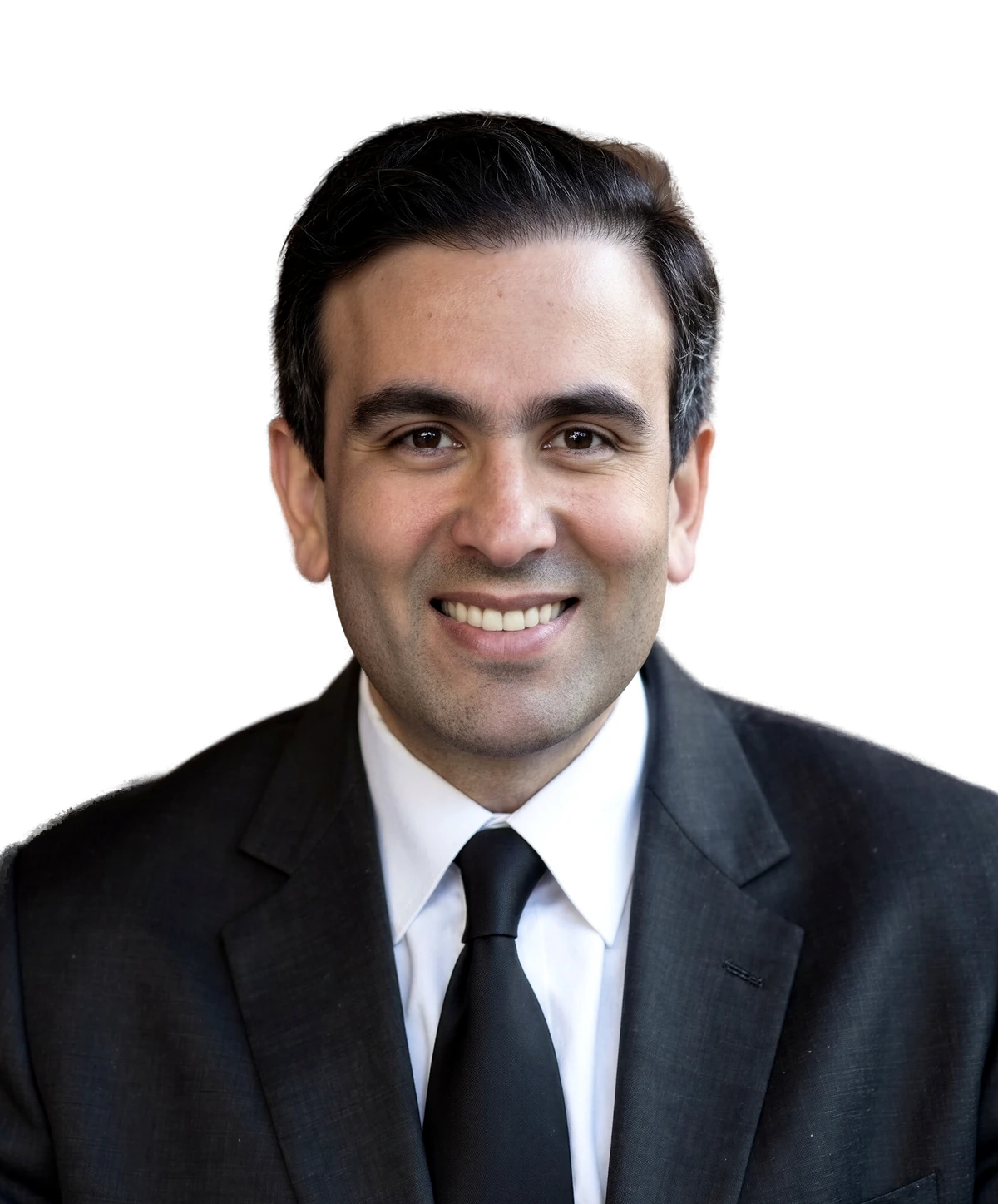
Barry knows how the other side builds a DWI case because he used to be on that side. He served as an Assistant District Attorney in Orleans Parish, working as first and second chair trial prosecutor. Before that, he was staff attorney to Orleans Parish Criminal Court Judge Darryl A. Derbigny, where he advised the court on criminal law, evidence and procedure.
That background means he reads a police report the way a prosecutor does. He looks for the gaps a prosecutor worries about: a weak reason for the stop, a test given the wrong way, or paperwork that does not match the video. Read more about Barry's background.
What Barry looks at first in a New Orleans DWI
The first thing Barry checks is whether the officer had a lawful reason to stop you. If the stop was not legal, the evidence that came after it may be challenged. From there he works through the rest of the case:
- Field sobriety tests: how they were given, the surface, the lighting and your physical condition.
- Breath test: machine maintenance and inspection records, and whether the operator followed the rules.
- Blood or urine tests: how the sample was taken, stored and tested.
- Body camera and dash camera video compared against the written report.
- Drug-impairment claims: since 2024, Louisiana's law says "impaired" and covers any drug that can affect safe driving, so these cases turn on the officer's observations and the lab work.
Your license and the 30-day OMV deadline
You have 30 days from the date of arrest to send a written request for an administrative hearing. The officer usually takes your license and gives you a receipt that works as a temporary license for up to 30 days. If nobody asks for a hearing, the suspension simply starts.
A first failed test (0.08% to 0.149%) brings a 180-day suspension. A test of 0.15% or higher brings 2 years. A first refusal brings 1 year. In many cases you can get a restricted license right away once an ignition interlock is installed. See our guide to the DWI license suspension and OMV hearing.
DWI penalties in Louisiana, in short
Penalties climb with each offense. A first offense is a misdemeanor with a $300 to $1,000 fine and 10 days to 6 months in jail, though much of the sentence can be suspended with probation. A second offense brings a $750 to $1,000 fine and 30 days to 6 months, with at least 48 hours served. A third offense is a felony with a $2,000 fine and 1 to 5 years.
A BAC of 0.15% or higher, or a child 12 or younger in the car, makes things harder. Our main DWI defense page walks through the full ladder.
Your first 72 hours after a New Orleans DWI arrest
- Write down everything you remember about the stop, the tests and the officer's words.
- Find your paperwork: the citation, bond papers and license receipt. Note every date.
- Do not post about the arrest or discuss it with anyone but your lawyer.
- Call (504) 905-8399. Barry answers 24/7, including nights and weekends, and the first consultation is free and confidential.
- Let us request the OMV hearing well before the 30-day deadline.
We also handle cases across the city and parish. Visit our New Orleans criminal defense and Orleans Parish pages for more.